If you have ever wondered what PR in gaming actually means, the short answer is this: it is the process of building attention, understanding and trust around a game, studio or individual through strategic communication.
Gaming PR can involve media relations, creator outreach, launch planning, community communication, events, announcements and reputation management. It is not simply sending a press release and hoping that someone writes about your game.
For an indie developer or growing studio, PR should help the right people understand why a game is interesting and why it is worth their time.
What does PR mean in gaming?
Public relations is the strategic process of building and managing relationships between an organisation and the audiences that matter to it. In gaming, those audiences can include:- Players and potential players
- Game journalists and editors
- Streamers and video creators
- Publishers and platform representatives
- Industry partners
- Event organisers
- Online communities
- Employees and development partners
What is the purpose of gaming PR?
The purpose of gaming PR is not only to generate publicity. Good PR can support several broader goals:- Make more people aware of a game or studio
- Explain what makes a game different
- Build credibility through relevant third-party coverage
- Help a launch reach the right audiences
- Strengthen relationships with media and creators
- Support a community around the game
- Protect and manage the studio’s reputation
What activities are included in video game PR?
Media relations
Media relations means developing relevant relationships with journalists, editors and publications. The focus should be on finding people who genuinely cover the game’s genre, platform, subject matter or audience. A good media pitch gives the journalist a clear reason to care. It should explain what the story is, why it matters to their audience, and what information or access is available. For more practical guidance, see these video game PR strategies. Having a relationship with a journalist may help your message get considered, but it does not guarantee coverage. The story still needs to be relevant and useful to the publication’s audience.Press kits and launch materials
A press kit gives journalists and creators the information and assets they need to understand or cover a game. Depending on the project, it might include:- A short and long description
- Key game features
- Gameplay screenshots
- Trailer links
- Logos and artwork
- Developer and studio information
- Release timing and platform details
- Contact information
Creator and influencer outreach
Creators can help a game reach audiences through livestreams, videos, short-form content and community discussion. Creator outreach works best when it is targeted. A creator’s audience, preferred genres, format and usual content should all be considered before making contact. A large audience is not automatically the right audience for every game. If a creator receives payment, free access or another benefit connected to coverage, the relationship should be disclosed clearly in line with the relevant local rules, platform policies and industry expectations. Transparency helps audiences understand the context behind promotional content.Announcements and launch communications
PR can support announcements such as:- A game reveal
- A release-date announcement
- A demo launch
- A major update
- A publishing partnership
- A funding or studio announcement
- Participation in an event or festival
Events and industry relationships
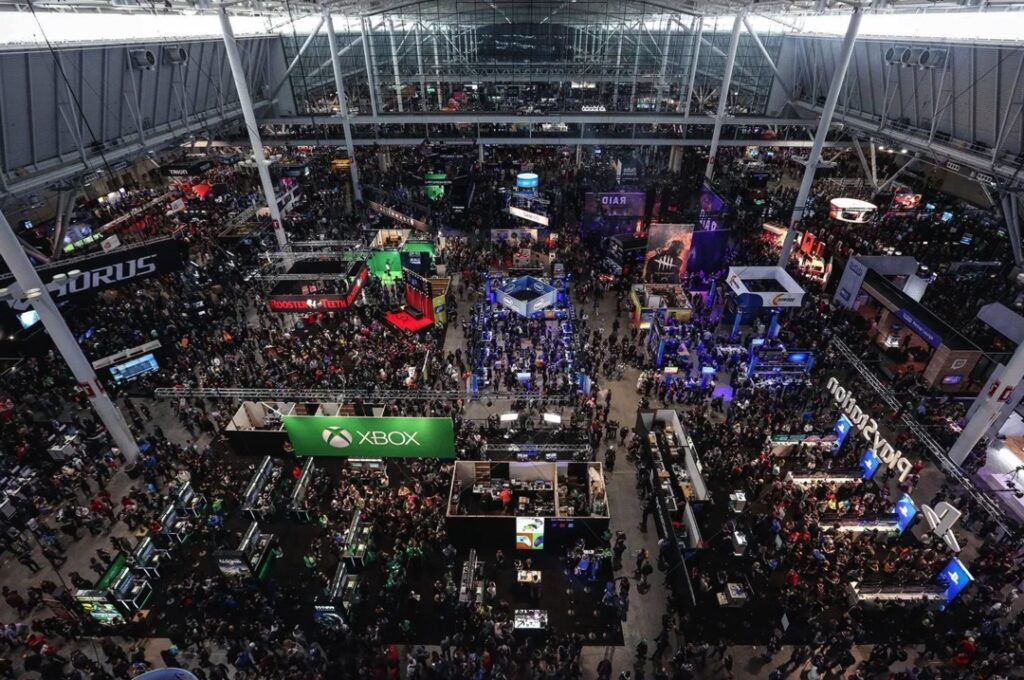
International conferences, regional showcases, digital events and local gaming festivals can create opportunities to meet players, journalists, creators, publishers and potential partners. Developers preparing for a digital event can also review this guide on preparing a game for Steam Next Fest. PR around an event can include arranging meetings, preparing materials, coordinating interviews, supporting a booth or demo, and following up with contacts afterwards. The event itself is only one part of the process; preparation and follow-up often determine how useful the opportunity becomes. For physical events, these tips for exhibiting at gaming events provide additional practical guidance.Community and reputation management
Game communities are not only promotional channels. They are also places where players ask questions, provide feedback and form opinions about a studio. PR and community communication overlap when a team needs to explain a decision, respond to criticism, communicate a delay or share important news. The response should be accurate, appropriately timed and consistent with the studio’s wider communication.How is gaming PR different from marketing?
PR and marketing are closely related, but they are not identical. Marketing is the broader process of understanding an audience and promoting a product or service. It can include paid advertising, store-page optimisation, email, social media, content, partnerships, community work and many other activities. PR focuses more specifically on relationships, reputation, communication and attention from relevant audiences and third parties. For example:- A paid social campaign is marketing and advertising.
- A journalist choosing to cover a game is earned media and PR.
- A developer sharing a development update is content and community communication, which may also support PR.
- A creator receiving payment to promote a game is paid promotion and may involve disclosure requirements.
- A creator independently deciding to cover a game may be an earned PR outcome.
How is PR different from advertising?
Advertising generally involves paying for placement or distribution. The advertiser has more control over where the message appears, how long it runs and what it says. PR often seeks earned attention. A journalist, creator, event organiser or community may decide whether the story is relevant enough to share. That means the team has less control over the final coverage. PR can also involve owned communication, such as a studio blog, announcement or developer update. Owned channels give the team more control, but they do not automatically provide independent credibility or reach. Neither approach is universally better. Advertising can provide predictable distribution, while PR can help create credibility and third-party interest. The appropriate mix depends on the game, audience, timing and available resources.What does a gaming PR campaign look like?
A basic gaming PR campaign might follow a process like this:- Set an objective. Decide what the campaign needs to support, such as awareness, a demo, a launch or an announcement.
- Define the audience. Identify the players, media, creators or industry contacts who matter for this objective.
- Find the story. Determine what is genuinely interesting, useful or timely about the game or studio.
- Prepare the assets. Organise the press kit, screenshots, trailer, fact sheet, access details and contact information.
- Build a targeted contact list. Research relevant journalists and creators rather than relying on a large, generic mailing list.
- Plan the timing. Allow enough time for preparation, review, access and follow-up.
- Make the outreach personal. Explain why the game is relevant to that specific person or audience.
- Follow up professionally. Be helpful without repeatedly sending the same message or applying pressure.
- Measure and learn. Review coverage, traffic, creator activity, community response and other indicators connected to the original objective.
How do you measure gaming PR?
The right measures depend on the campaign objective. Possible indicators include:- Relevant media coverage
- Quality and relevance of publications or creators reached
- Referral traffic
- Trailer views or demo visits
- Store-page activity and wishlists
- Community growth and engagement
- Share of conversation around a launch or announcement
- Meetings or partnership conversations generated