Indie Game Marketing: A Practical Launch Guide for Small Studios
Indie game marketing often becomes an afterthought. Developers spend months building the game, then look at the calendar and realise launch is only a few weeks away. Others see an outline for a festival and assume they can turn up with a demo, without doing the groundwork that makes the event useful. The result is usually a frantic list of disconnected jobs. Start a Discord. Contact journalists. Send keys to content creators. Run ads. Make TikToks. Enter a festival. Build an email list. Redesign the Steam page. All of those activities can make sense. Trying to do them all at once usually means nobody has decided why a player should care about the game or what action an interested player should take next. A better approach is to treat marketing as a series of tests. Work out why a player should care, explain the game clearly, give people a reason to take the next step and make it easy for the right audience to find you.Start by asking why a player should care
Before planning a content calendar, write down why a player should stop scrolling for your game. This is not a slogan for a pitch deck. It is the shortest honest explanation of the experience you are offering. A useful answer might describe the problem the player gets to solve, an unusual combination of mechanics or the particular feeling that makes the game worth trying. If the only description is “an atmospheric indie game with a unique art style”, you do not have a marketing message yet. You have a category of compliments. Test different versions with people who are not already invested in the project. Show them a short clip, a store capsule or one sentence of copy. Ask what they think the game is, what they expect to do and whether anything makes them want to learn more. Confusion at this stage is useful. It is cheaper to fix the explanation than to buy more attention for it. Steam’s marketing best-practice guidance makes a similar point: each game is a different marketing problem, and teams should experiment early rather than force a title into a pre-written strategy.Put the Steam page to work early
If Steam is your main store, your Coming Soon page should be part of the marketing plan, not the last task before launch. Steam’s wishlist documentation explains that a public page gives interested players somewhere to learn about the game and add it to their wishlist. Wishlists can later trigger notifications when the game launches, leaves Early Access, receives a qualifying discount or has an associated free demo made public. That does not make wishlist count a magic sales forecast. People wishlist for different reasons, and Steam itself says there is no formula that accurately predicts sales from wishlists. Treat the number as one signal of interest, not a promise. Your page should answer the basics quickly:- What kind of game is this?
- What does the player actually do?
- Why is this game different from others in the genre?
- Who is likely to enjoy it?
- What should the visitor do next?
Choose a small number of marketing beats
An indie game does not need a constant stream of announcements. It needs a few moments that give people a reason to pay attention. A campaign might include:- The first public reveal and Steam page launch
- A playable demo or playtest
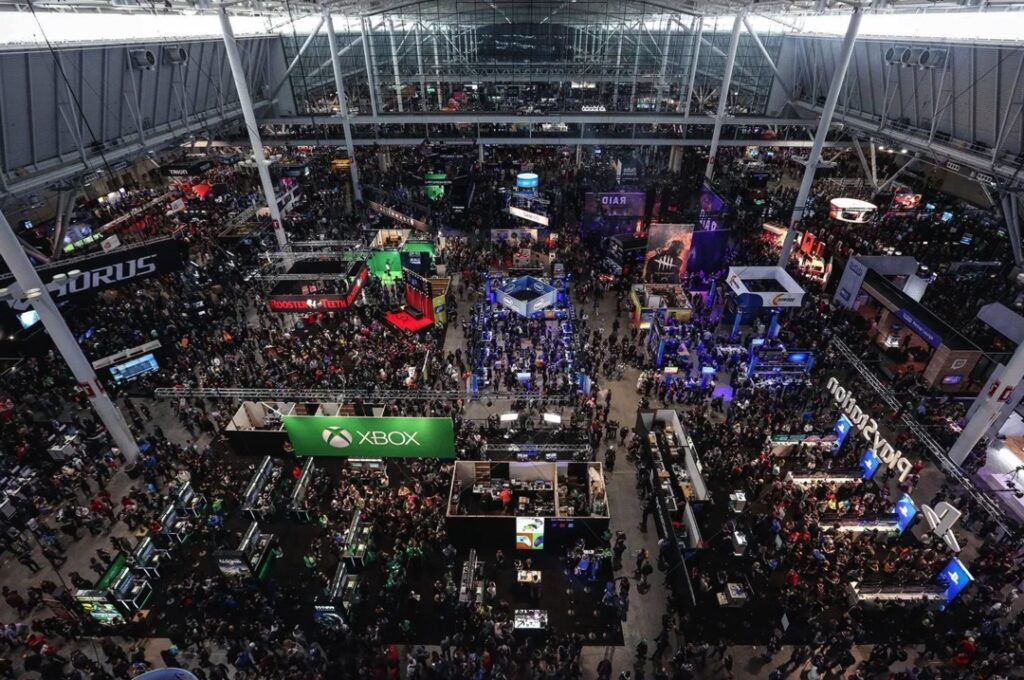
- A festival such as Steam Next Fest
- A major trailer, feature or creator push
- The launch itself
- A substantial update or transition out of Early Access
Work with journalists and content creators
Journalists and content creators can both help an indie game, but they do different jobs in a campaign. A content creator may show the game in motion and help viewers imagine themselves playing it. A journalist may provide context, criticism or a story about the studio and its development. The right contact depends on the game and the story you are offering. Do not begin with the biggest possible list. Begin with fit. Look for content creators who already play games like yours and journalists who cover the genre, platform or subject. A smaller audience that cares about your type of game can be more useful than a large audience with no obvious connection. You need the basics ready before outreach starts: a playable build, a clear pitch, useful assets and an easy way to understand what makes the game interesting. My video game press kit guide covers those assets, and my guide to video game PR explains how journalist and creator outreach fit into a wider communications plan.Build a community you can actually maintain
A community is useful when it helps people understand the game, talk to one another and give the studio information it can use. It does not have to begin with five platforms and a full-time moderator. Start with the space you can support properly. Decide what belongs there, publish clear rules and give players a reason to return that is not just “please buy the game”. You should also create a direct route to interested players. An email list, a website or another owned channel gives you a way to communicate when a platform changes its rules or your audience moves elsewhere. In my article on building a game community beyond Discord, I explain why a studio should not treat one external platform as the permanent home of its player relationship.Spend money only after you learn something
Paid advertising can create reach, but reach does not solve an unclear message or a weak store page. Before spending heavily, test whether people understand the game and take the action you want. If a small campaign produces clicks but no meaningful store-page interest, more budget will mostly produce more unhelpful data. For a small studio, early spending may be more useful on assets, localisation, a playable demo, creator support or targeted PR than on broad advertising. The right choice depends on the game, audience and launch stage. Keep a record of what each activity was meant to achieve so you can stop funding work that is not teaching you anything.Measure the path, not just the noise
Follower counts and video views can look impressive while telling you very little about launch readiness. Track the steps that connect attention to player action:- Where people discovered the game
- Visits to the Steam page
- Wishlist additions and deletions
- Demo downloads and meaningful play
- Creator or press coverage from relevant audiences
- Community participation and recurring questions
- Launch purchases, reviews and refunds