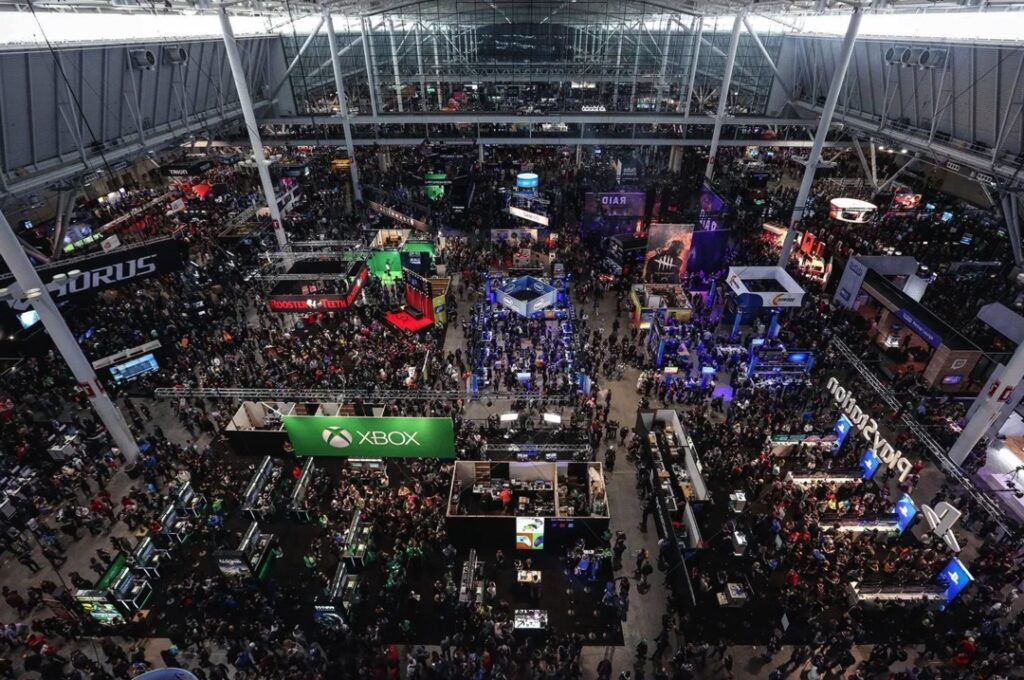

Title graphic reading “How to Market Games in China: Lessons from a $50 Billion Market”

How to Market Games in China: Lessons from a $50 Billion Market

If you want to know how to market games in China, start by putting the headline figure to one side. Yes, China’s games market generated $51.8 billion in 2025. Yes, that is a huge audience. But a big market does not automatically make an easy market to enter. The practical lesson is that you cannot take a campaign built for the UK, US or another Western territory, translate the store page and expect the same results. Chinese players discover and discuss games within a different platform mix, with different habits and expectations. According to Niko Partners’ latest China market analysis, the market grew 5.4% year over year in 2025. Niko expects it to reach $53.9 billion in 2026 and $59.8 billion by 2030. The numbers make China hard to ignore, but they do not tell a studio where to spend its first marketing dollar.

Start with the audience, not the translation

Translation is part of market entry. It is not the strategy. A studio may spend months deciding how to position its game, which trailer to lead with and which creators to approach. If it only considers Chinese players after those decisions are made, it is already asking localisation to repair a campaign designed around somebody else’s assumptions. Before committing to a plan, I would want the team to answer a few basic questions:
  • Where do players of this genre find new games?
  • Which platforms help them decide whether a game is worth their time?
  • Does the humour, visual style or central idea make sense in the local context?
  • Which creators can explain the game in a way that feels natural?
  • What happens after someone sees the content? Do they visit a store page, follow an account, join a community or simply move on?
Those questions are useful in any international campaign. China makes the cost of ignoring them especially obvious.

Discovery does not begin at the store page

Niko Partners says short video is the leading discovery method across PC, mobile and console in China. Forty-one percent of players use short-video apps to find games or information about them. That should affect the campaign brief. A storefront page may be where someone eventually buys the game, but it may not be where they first hear about it. The answer is not to chop an existing Western trailer into a vertical video and call the job done. The content needs to work in the place where people see it. A strong short video might show the game’s most distinctive mechanic, give a creator a format they can return to, or explain the idea in a way that makes sense without a long introduction. This connects with my guide to using YouTube for indie-game marketing. The platform details are different, but the basic point holds: video should give people a reason to care about the game, not just repeat its sales pitch in a shorter format.

Choose platforms because they fit the game

China’s gaming ecosystem includes Bilibili, Douyin, WeChat, Weibo, RedNote and Heybox. That does not mean a studio should create an account on every service and repost the same material everywhere. A platform plan should follow the audience and the game. A competitive multiplayer title may need creators who can demonstrate skill and generate ongoing discussion. A narrative indie game may need a slower introduction and a different kind of recommendation. A premium PC game will not necessarily use the same path to conversion as a mobile title built around regular live updates. Community planning matters here too. In my article on building a game community beyond Discord, I make the case for not putting the whole player relationship on one platform that the studio does not control. That is good advice wherever you operate, and it becomes more important when the platforms familiar to a Western team are not the main places where the target audience spends time. The team should know how it will listen and respond, but also how it will keep a useful relationship with interested players after the first campaign has finished.

Localise the promise, not just the words

Marketing localisation starts before the text reaches a translator. It affects the message, screenshots, trailer edit, key art, creator briefing and the way the community team replies to players. The goal is not to force slang into every sentence or pretend to be a local creator. The goal is to work with people who understand the language, culture and platform conventions well enough to spot when something feels imported. The Game Marketer’s China marketing overview makes a similar distinction in its description of China services, which includes strategy, platform setup, regulatory work, localisation and social management. It is a competitor service page, so its sales claims should be treated accordingly. The useful point is the shape of the work: entering China involves several connected decisions, not a single translation step.

Measure what happens after the view

Impressions are easy to celebrate and easy to misunderstand. A studio should decide what it wants to learn at each stage of the campaign. Are the right players watching? Are they clicking through to the store page? Are they wishlisting, following the account or asking questions? Do clicks become installs or sales? Do the players who arrive stay interested when the next update appears? Niko Partners also points to the growth of mini-games, premium PC and console spending, out-of-app monetisation, user-generated content and generative AI in China. Those trends are useful context, but they are not a ready-made campaign plan. A studio still needs to work out which behaviours relate to its own game.

China is a separate marketing system

China’s market passing $50 billion does not mean every studio should rush to enter it. Regulatory, publishing, platform and operational requirements can make the process expensive. A large audience is not the same thing as an accessible audience. The lesson is simpler. If China is part of a game’s potential market, consider it while building the marketing strategy. Do not wait until the end and ask a translation team to make a campaign feel local. The studios that do this well will not necessarily be the ones producing the most content. They will be the ones that understand how their audience discovers games, which platforms deserve attention, who can build trust and what happens after the first click. That is how to market games in China: start with the market’s behaviour, then build the campaign around the game.

Oh hi there 👋
It’s nice to meet you.

Sign-up to receive awesome video game marketing tips in your inbox.

I don’t spam! Read my privacy policy for more info.