Building a Game Community Beyond Discord
Discord recently announced they are launching Teen-by-Default settings globally, including age assurance steps aimed at protecting younger users. That is an important safety initiative, and online spaces should continue evolving to better protect the people using them.
At the same time, it highlights bigger questions for anyone building a game community on third party platforms.
What happens when the platform changes the rules? How will users react? Will they adapt, push back, or migrate elsewhere?
Will your onboarding, engagement, and communication strategies continue to work as intended?
When policies, features, or privacy standards shift, your community experience can shift with them.
If your entire community strategy relies on Discord, or any single platform, you are vulnerable to decisions you do not control.
Let’s break it down.
Important tip: Always have an email list
If you are serious about building a game community that lasts, you need a direct line to your players.
Not everyone will sign up. That is fine. But you need a channel you control. If you ever have to shift platforms, pivot strategy, or move to a new project, you are not starting again from zero.
You own that relationship.
When you are building a game community, ownership matters more than convenience.
If you want regular video game marketing tips and opinion pieces like this, you know where to find mine 👇
History repeats in community building
I have run communities across forums to Facebook to Publisher Platforms to Discord.
Forums to Bebo (wtf is Bebo 🤔) to Facebook and back to forums.
Even MySpace. Yes, gaming companies once used MySpace for community. Who is laughing now?
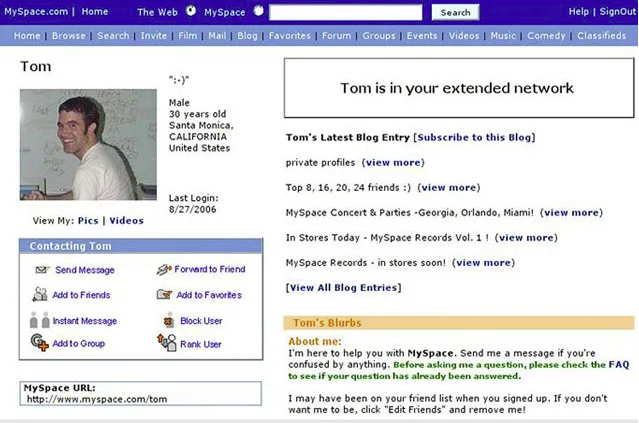
Communties are like tribes. They follow leaders. They migrate together. Sometimes to a new platform. Sometimes to a tool that was never designed for community discussion but evolved into one. Oh hey, Discord!
Anyone building a game community today should understand this cycle. Platforms change. Player behaviour adapts. Policy shifts happen.
The reality of building a game community on borrowed land
Building a community from zero is hard. Building a game community around a new IP is even harder.
It takes time. Effort. Budget.
The catch with most platforms is simple. You do not own the technology. They do. You help grow their ecosystem, not yours. The tribe exists there, but the relationship is not fully yours.
When the rules change, you adapt or you lose a percentage of your audience. That loss is inevitable.
I have contributed to the growth of many gaming communities from zero to millions of users. Every platform transition comes with attrition. Always.
If you are building a game community for the long term, you have to plan for migration. That is why email matters. That is why direct to consumer engagement matters.
So what are the alternatives?
1) Steam Community
If you are releasing your game on Steam, this is the obvious home base when building a game community. It sits closest to the point of discovery and purchase. But like Discord, it is still third-party infrastructure. You benefit from the ecosystem, yet you do not control it.
Every AppID gets a built in community hub. The downside is visibility. It is public. If you have a disaster moment, it sits next to your store page while potential wishlisters are researching.
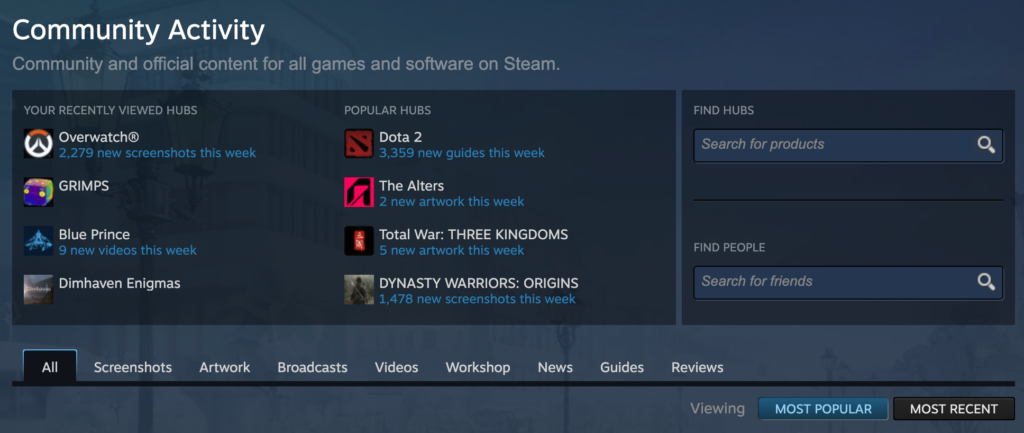
The upside is activity signals. Active discussion can help visibility.
Steam also gives you places to share game trailers, broadcasts, screenshots, artwork, guides, and news posts. Update your Steam news weekly if possible, monthly at a minimum.
When building a game community, cultivate it at the source before branching outward. Use what you already have.
2) Own tech
Old school forums. Full control. SEO benefits. Searchable knowledge base.
Discord is notoriously hard to search and easy to gatekeep. Forums used to be the backbone of building a game community. Some still are. WoW. Total War. The Sims.
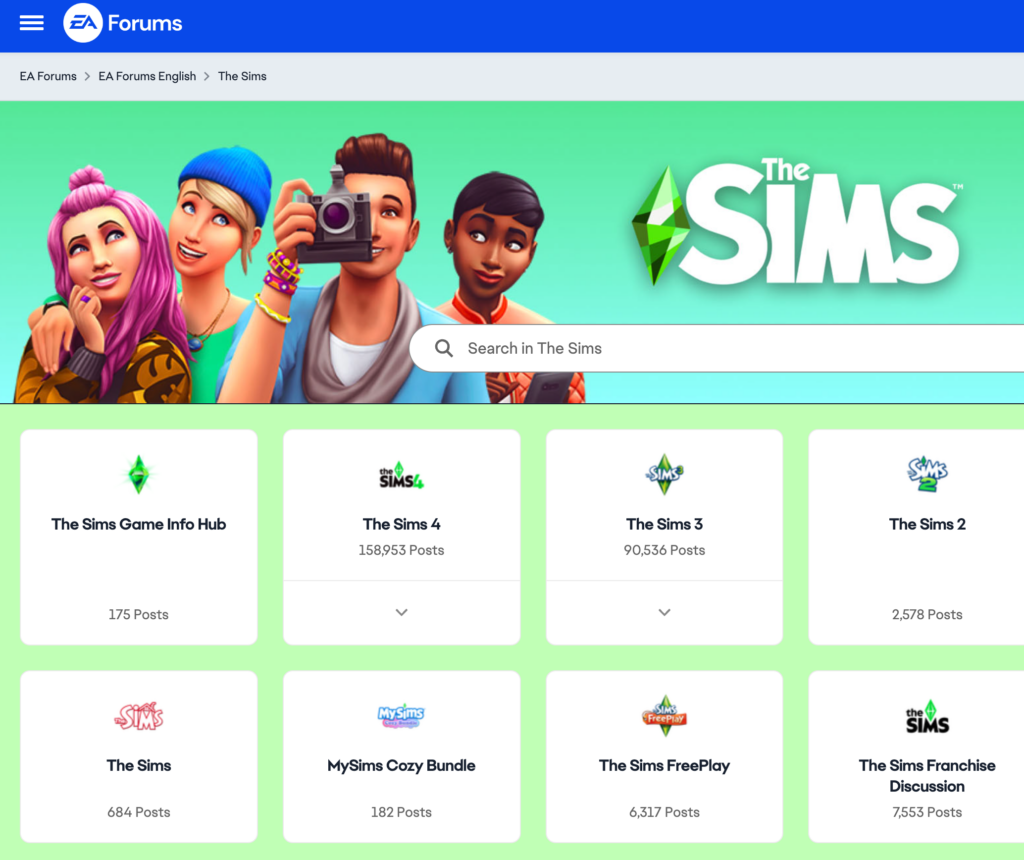
But hosting comes with cost. Security. Moderation. User behaviour management.
Many teams choose managed platforms because it is easier. The trade off is dependency.
3) Existing hosted forums
You can join larger ecosystems, but they are not always built for sudden growth. You also do not control the roadmap.
For developers building a game community at scale, this can become limiting.
4) Social spaces
Reddit. Digg. Game Jolt. Fandom. Tumblr.
Each has its own culture and rules. If a subreddit is created by a fan, how do you show up as a brand?
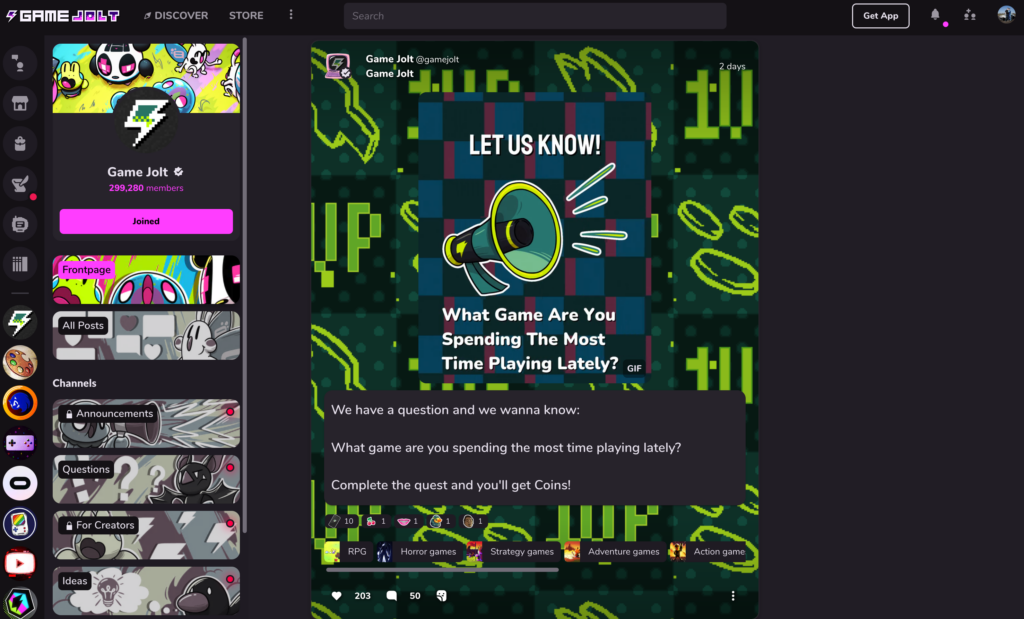
In my experience, when building a game community, it is better to be the official voice within existing spaces rather than trying to compete with them. Participation usually wins over promotion.
5) The next new platform
There will always be one. It will promise better features. Fewer restrictions. More control.
Just remember, when building a game community on any external platform, policies will evolve. They always do.
So what should you actually do?
Whether you are building a game community from scratch or managing an established one, start here:
Follow the conversation.
If you are in pre-launch or early stages of building a game community, ask potential players where they naturally hang out. Do not assume it is Discord.
If you already have an active community, ask them directly whether ID verification or teen-by-default settings will impact participation. Ask where they would go if Discord was not an option. You may discover platforms you had not considered, or uncover risks before they become problems.
Do you remember my first important tip?
If you have a community but no email list, fix that now.
If you are building a game community, make email part of your foundation from day one.
Encourage signups with intention. Offer an incentive. A digital wallpaper. Profile icons. An in-game costemtic. A discount coupon. Run a prize draw. Give players a reason to connect beyond the platform.
Audit your current platforms.
Steam Community Hub. Website. CRM. Social Media Channels.
If you are early, focus on establishing strong roots in one or two places rather than spreading thin.
If you are established, assess your dependency risk. How much of your communication lives on one platform? How easily could you redirect traffic if needed?
When building a game community, mastering the basics often outperforms chasing new platforms.
Be the official voice in your genre.
If you are new, embed yourself in existing communities before trying to pull players into your own space. If you are established, expand your presence without abandoning your core.
Respect platform rules. Most reward authentic participation more than straight promotion.
Keep calm and carry on.
Many communities will adapt just fine.

Think Ahead.
But if you are serious about building a game community for the long term, build with migration in mind from the start, and reassess regularly as you grow.
Platforms change. Tribes move.
Make sure when they do, you know how to move with them.